Key Takeaways
-
A safe horse exercise routine should be gradual, consistent, and tailored to the horse’s fitness level and workload.
-
Warming up and cooling down properly helps prevent injuries and stiffness.
-
Variety in exercise improves strength, flexibility, and mental engagement.
-
Monitoring footing, weather, and fatigue is essential for safe training conditions.
-
Consistent turnout, clean paddocks, and proper management support overall fitness and recovery.
Why a Structured Horse Exercise Routine Matters
It’s tempting to just ride when you can.
But horses thrive on structure.
Without a consistent exercise routine, horses can quickly develop:
-
Muscle stiffness
-
Reduced stamina
-
Behavioral issues
-
Increased injury risk
A well-planned routine supports:
-
Muscle development
-
Joint health
-
Cardiovascular fitness
-
Mental well-being
According to the American Association of Equine Practitioners (AAEP), consistent conditioning programs are essential for maintaining soundness and preventing injuries in horses.
How Do You Start an Exercise Routine for a Horse?
What Should You Consider First?
Before building a routine, evaluate:
-
Age
-
Fitness level
-
Workload (pleasure vs performance)
-
Health history
-
Time off (if any)
A horse coming back from rest needs a much slower progression than a horse in regular work.
How Quickly Should You Increase Workload?
A common rule:
Increase workload by no more than 10–15% per week
This allows muscles, tendons, and joints to adapt safely.
What Is the Ideal Warm-Up for a Horse?
Why Is Warming Up Important?
Warm-ups prepare muscles and reduce injury risk.
Skipping this step is one of the biggest mistakes riders make.
What Does a Good Warm-Up Include?
-
5–10 minutes of walking
-
Large circles and straight lines
-
Gradual increase in pace
Benefits:
-
Improves circulation
-
Loosens muscles
-
Prepares joints

What Types of Exercise Should Horses Do?
How Do You Build a Balanced Routine?
A good routine includes variety.
Flatwork
-
Improves balance and coordination
-
Builds muscle evenly
Hacking / Trail Riding
-
Encourages natural movement
-
Builds cardiovascular fitness
Pole Work
-
Improves stride and coordination
-
Engages core muscles
Hill Work
-
Builds strength in hindquarters
-
Improves overall power
Rest and Recovery Days
Rest is part of training.
Horses need time to:
-
Repair muscle tissue
-
Recover energy
-
Prevent overuse injuries
How Often Should You Exercise Your Horse?
What Is the Ideal Weekly Schedule?
For most horses:
-
4–6 days of work per week
-
1–2 rest days
Light work days can include:
-
Walking
-
Stretching
-
Groundwork
How Do You Prevent Injuries During Exercise?
What Are the Most Common Causes of Injury?
-
Poor footing
-
Overworking
-
Skipping warm-ups
-
Sudden increases in intensity
How to Keep Your Horse Safe
-
Always check footing (especially in spring mud or frozen ground)
-
Avoid riding on overly hard or slippery surfaces
-
Gradually increase intensity
-
Watch for fatigue
Signs Your Horse May Be Overworked
-
Reluctance to move forward
-
Shortened stride
-
Excessive sweating
-
Behavioral resistance
Stop and reassess if these appear.
How Environment Affects Your Horse’s Exercise Routine
Why Footing Matters
Unsafe footing increases injury risk.
Common issues:
-
Mud (spring thaw)
-
Ice (winter)
-
Hard ground (summer)
Why Paddock Management Supports Fitness
Horses need safe turnout for natural movement.
Clean, well-maintained paddocks:
-
Reduce injury risk
-
Encourage movement
-
Support recovery
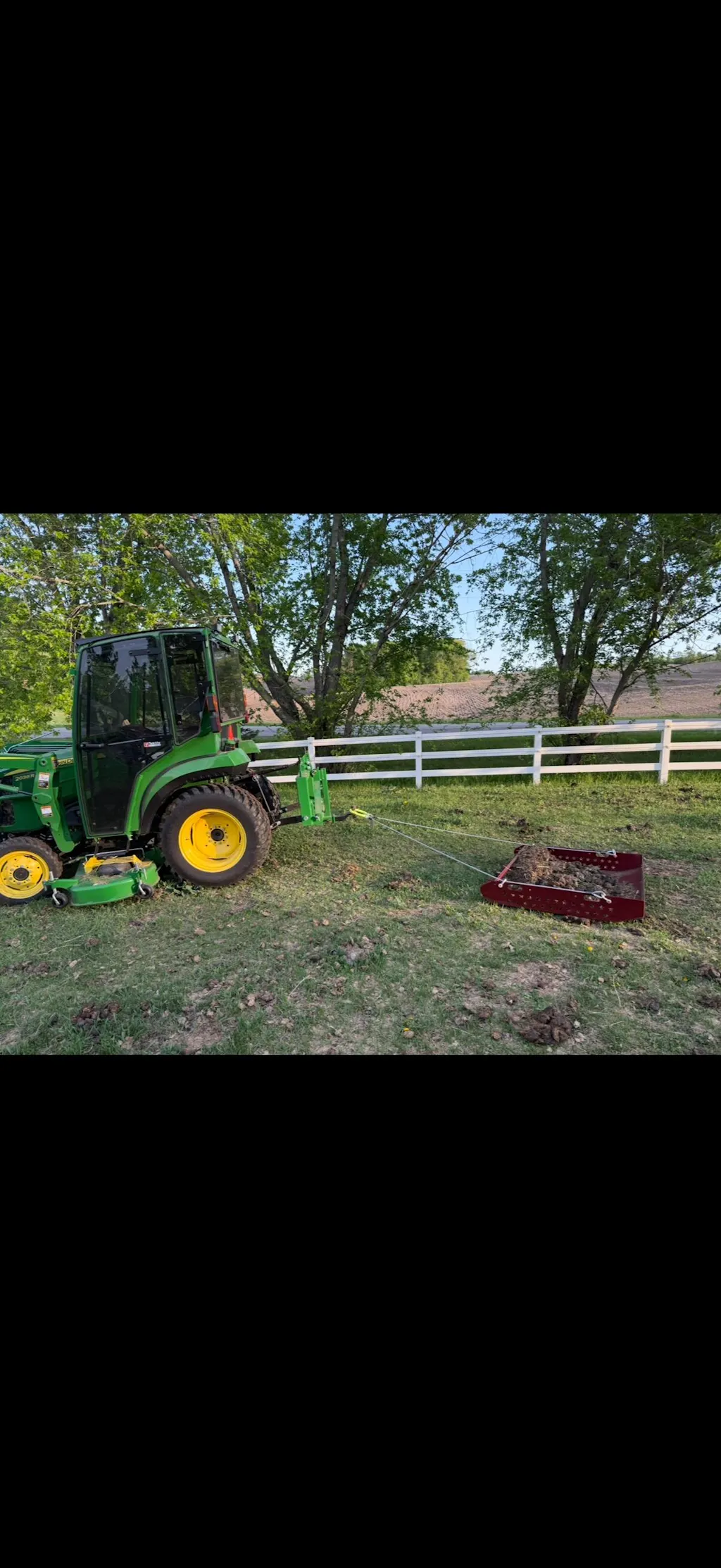
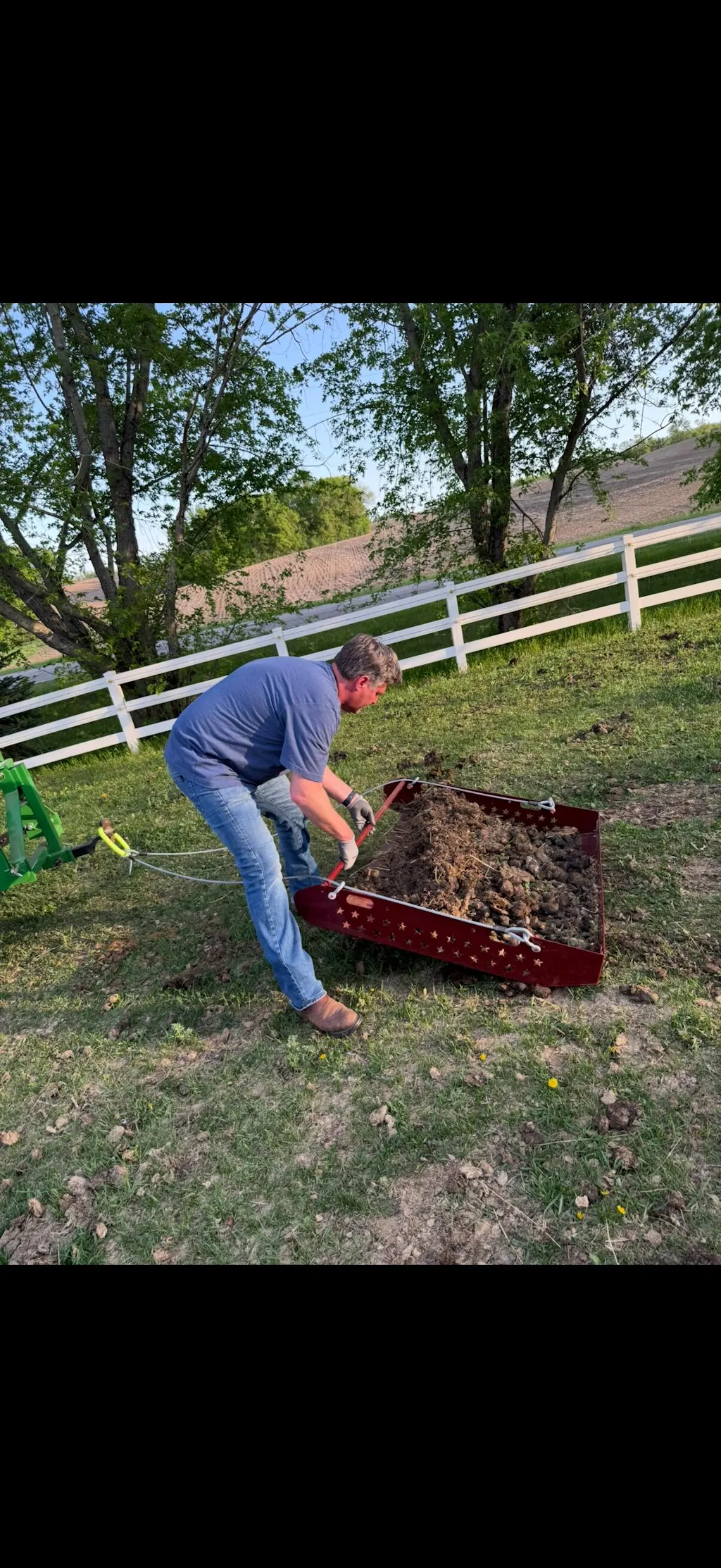
Regular manure removal also helps maintain safer footing and reduces bacteria buildup in high-traffic areas.

How to Cool Down a Horse After Exercise
Why Is Cooling Down Important?
Cooling down prevents:
-
Muscle stiffness
-
Injury
-
Circulatory issues
Proper Cool-Down Steps
-
5–10 minutes of walking
-
Allow breathing to return to normal
-
Offer water
In colder climates, ensure the horse is dry before returning to turnout or stabling.
Horse Exercise Routine Checklist
✔ Warm up properly
✔ Build workload gradually
✔ Include variety in training
✔ Monitor footing conditions
✔ Watch for signs of fatigue
✔ Allow rest days
✔ Cool down after exercise
✔ Maintain safe turnout areas
Common Mistakes in Horse Exercise Programs
Avoid these:
-
Doing too much too soon
-
Skipping warm-ups
-
Ignoring rest days
-
Working on poor footing
-
Not adjusting for weather conditions
Consistency and patience produce better long-term results.
A safe exercise routine goes beyond riding — it includes proper footing, turnout, and overall management.
Maintaining clean paddocks and safe environments helps support your horse’s daily movement and recovery.
👉 Improve turnout conditions and footing
👉 Support your horse’s health year-round
👉 Stay consistent with your care routine
FAQs:
1. How often should I exercise my horse?
Most horses benefit from 4–6 days of work per week, depending on fitness level and workload.
2. How long should a horse exercise session be?
Typically 30–60 minutes, including warm-up and cool-down.
3. What is the most important part of a horse exercise routine?
Warm-up and gradual progression are key to preventing injury.
4. Can I ride my horse every day?
Yes, but include light days and rest days to prevent overtraining.
5. How do I know if my horse is tired?
Signs include reluctance, shortened stride, heavy breathing, or resistance.
6. Does turnout count as exercise?
Yes. Turnout supports natural movement, circulation, and mental health.
TL;DR:
Start with your horse’s current fitness level, build gradually, include warm-up and cool-down phases, vary exercises, and monitor for signs of fatigue or discomfort. A safe routine prioritizes consistency, proper footing, and overall horse health.