Key Takeaways
-
Daily grooming is preventative health care, not just cosmetic care.
-
Following the correct grooming order improves circulation, coat health, and hoof condition.
-
Hoof picking every day reduces thrush, bruising, and abscess risk—especially in muddy or dry U.S. climates.
-
Grooming provides an early warning system for injury, swelling, or behavioral changes.
-
Consistency builds trust, improves performance, and strengthens your partnership.
A proper horse grooming routine is one of the most overlooked but powerful tools in daily horse care. Done correctly, it improves circulation, supports hoof health, prevents skin issues, and helps you detect problems before they become expensive veterinary calls. Grooming isn't optional it's part of owning a horse.
Why Is a Daily Horse Grooming Routine Important?
Regular grooming is more than cosmetic care — it's preventative health management.
According to the American Association of Equine Practitioners (AAEP), daily handling allows horse owners to detect early signs of swelling, skin conditions, lameness, and injuries before they become serious problems.
A consistent grooming routine:
-
Stimulates circulation
-
Distributes natural skin oils
-
Removes sweat, dirt, and debris
-
Helps prevent saddle sores
-
Reduces thrush risk in muddy climates
-
Builds trust between horse and handler
In short, grooming supports your horse's overall health and performance.

What Is the Correct Order to Groom a Horse?
One of the most common questions horse owners ask is:
What Order Should You Groom a Horse?
Following the proper grooming sequence makes the process faster and more comfortable for your horse.
The correct order is:
-
Safety and health check
-
Curry comb
-
Stiff brush (dandy brush)
-
Soft body brush
-
Mane and tail care
-
Pick hooves
-
Finishing touches
Step-by-Step Daily Horse Grooming Routine
Step 1: How Do You Start Grooming a Horse Safely?
Before brushing your horse:
-
Secure them safely with a halter and lead rope
-
Check legs for swelling or heat
-
Look for cuts or abrasions
-
Observe your horse's body language
This quick inspection helps detect problems early.
Step 2: What Does a Curry Comb Do?
A curry comb loosens dirt and stimulates natural oils in the horse's coat.
Use gentle circular motions on:
-
Neck
-
Shoulders
-
Barrel
-
Hindquarters
Avoid sensitive areas such as:
-
Face
-
Lower legs
-
Spine
Curry combing improves circulation and prepares the coat for brushing.

Step 3: Why Use a Stiff (Dandy) Brush?
The stiff brush removes dirt lifted by the curry comb.
Use short strokes in the direction of hair growth.
This step:
-
Clears debris
-
Reduces dirt under saddles
-
Prevents rubbing from tack
It's especially important in muddy or sandy environments.
Step 4: What Does a Soft Body Brush Do?
The soft body brush smooths the coat and removes fine dust.
Use long sweeping strokes across the body.
This step also allows you to check for:
-
Small injuries
-
Skin irritation
-
Swelling
Step 5: How Should You Brush a Horse's Mane and Tail?
Always start brushing from the bottom.
Steps:
-
Use your fingers to loosen knots
-
Apply detangler if needed
-
Work upward in small sections
Pulling from the top causes breakage.
In humid climates, manes and tails may require more frequent cleaning to prevent buildup.
Step 6: Why Should You Pick Your Horse's Hooves Daily?
Picking hooves daily prevents serious hoof problems.
When cleaning hooves:
-
Pick from heel to toe
-
Remove mud, manure, and stones
-
Check for thrush or cracks
Daily hoof care is essential for preventing lameness.
For more hoof health guidance, see:
5 Tips for Maintaining Strong and Healthy Horse Hooves

What Grooming Tools Do You Need for a Daily Horse Grooming Routine?
A basic grooming kit should include:
-
Rubber curry comb
-
Stiff (dandy) brush
-
Soft body brush
-
Mane and tail brush or comb
-
Hoof pick
-
Shedding blade (seasonal)
-
Grooming cloth
-
Fly spray
Keeping tools clean helps prevent spreading bacteria.
What Are Common Horse Grooming Mistakes?
Avoid these common mistakes:
-
Skipping the curry comb
-
Brushing the mane and tail too aggressively
-
Ignoring hoof cleaning
-
Using stiff brushes on sensitive areas
-
Grooming too quickly
Correct grooming technique improves comfort and coat health.
How Does Grooming Help Prevent Hoof and Skin Problems?
Healthy grooming routines start with clean environments.
Horses standing in muddy or manure-filled paddocks are more likely to develop:
-
Thrush
-
Skin infections
-
Hoof softening
Maintaining clean turnout areas reduces these risks.
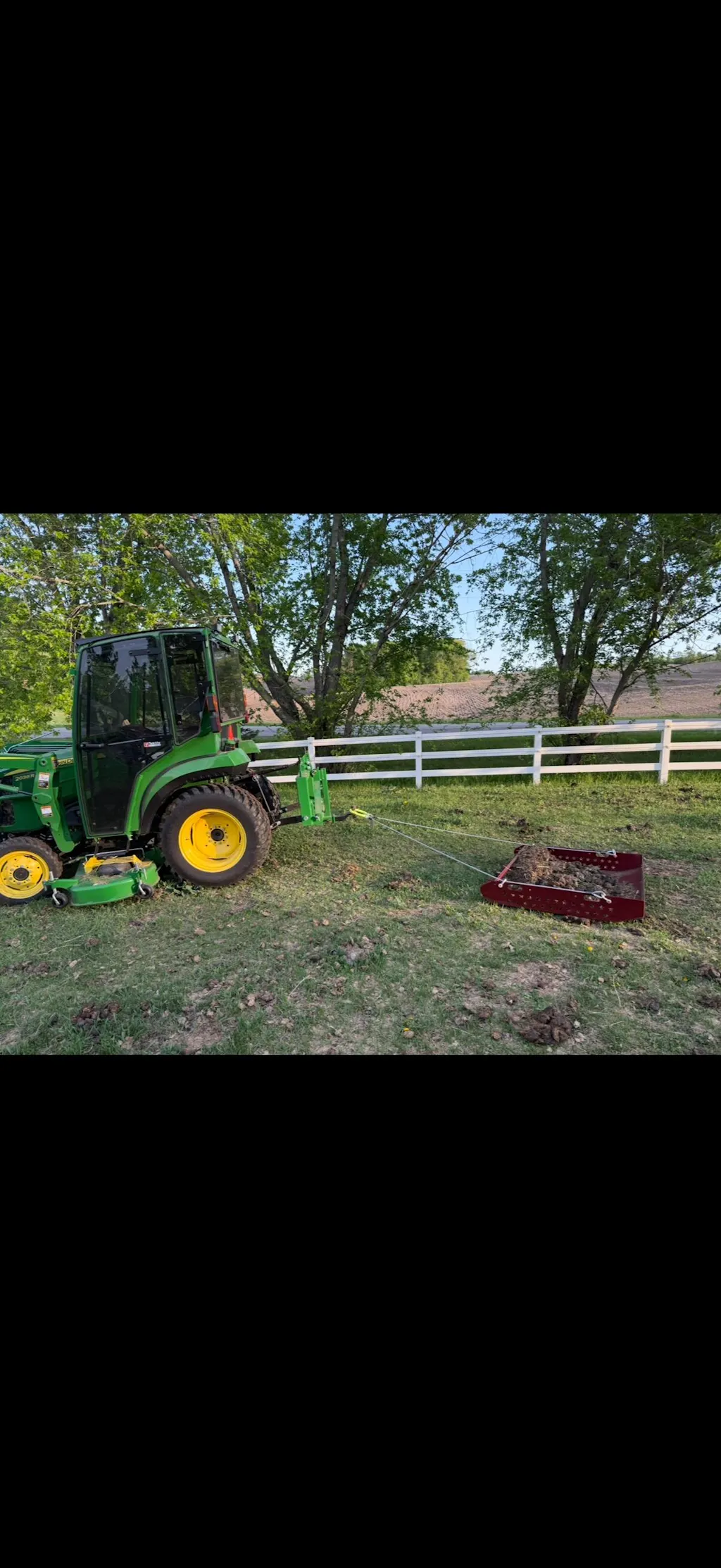
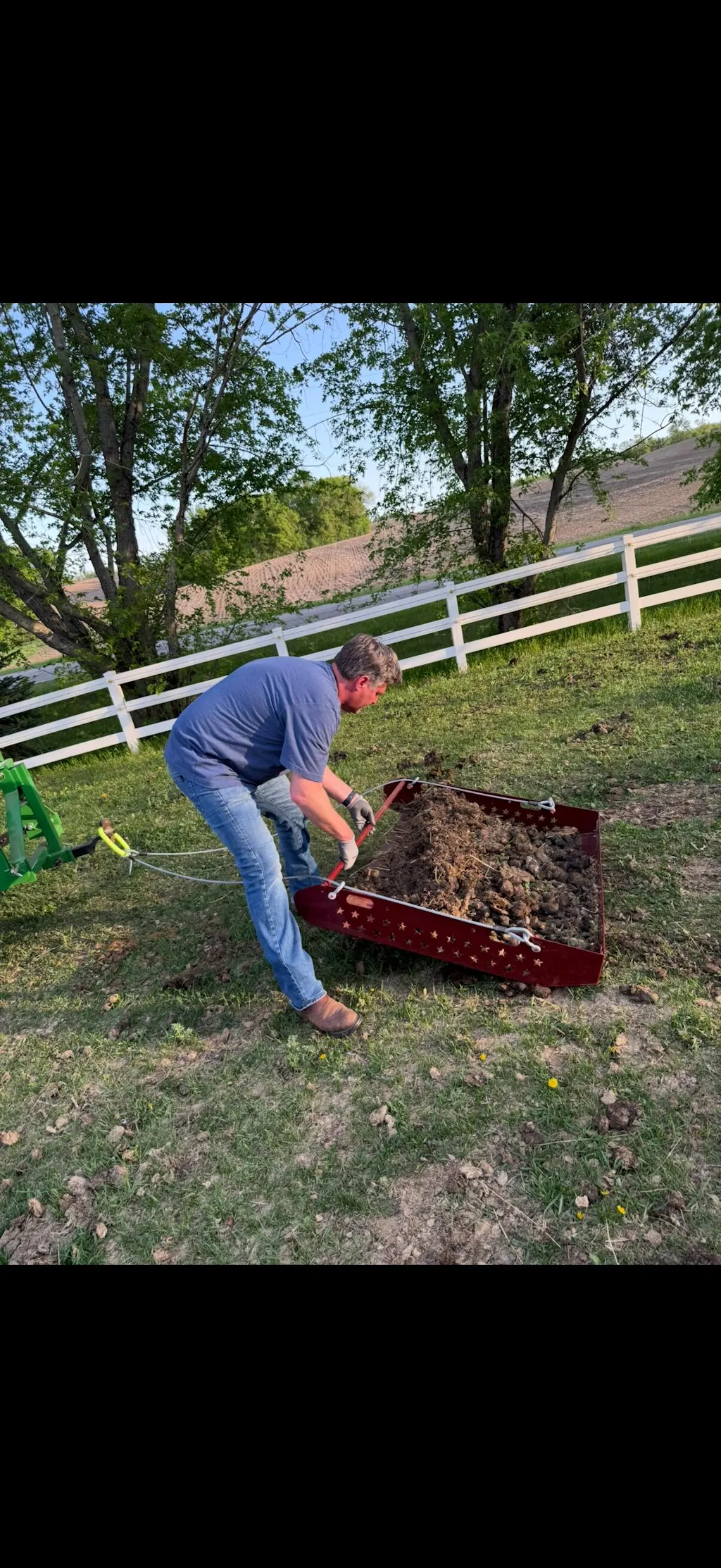
Tools like the Paddock Blade manure collector help keep paddocks cleaner by making manure removal faster and easier — especially in high-traffic feeding areas.
Cleaner paddocks mean healthier hooves and easier grooming.
How Long Should a Daily Horse Grooming Routine Take?
Most daily grooming sessions take:
-
10–15 minutes for basic grooming
-
20–30 minutes during shedding season
Consistency matters more than duration.
Daily Horse Grooming Checklist (Quick Reference)
✔ Safety check
✔ Curry comb
✔ Stiff brush
✔ Soft brush
✔ Mane & tail detangle
✔ Pick hooves
✔ Final inspection
How Grooming Builds Trust Between Horse and Rider
Grooming is one of the best ways to strengthen your relationship with your horse.
Horses respond positively to consistent touch and routine.
Benefits include:
-
Reduced stress
-
Improved responsiveness
-
Stronger rider-horse bond
For many riders, grooming becomes the most rewarding part of daily horse care.
Want to Improve Your Horse Care Routine?
Make daily grooming easier with the right tools and clean turnout areas.
- Shop grooming essentials
- Improve paddock hygiene with the Paddock Blade
Frequently Asked Questions
1. How long should daily grooming take?
10–20 minutes for routine grooming; longer during shedding season.
2. Should I groom before or after riding?
Both. Before for inspection and debris removal; after to cool down and re-check.
3. Can I over-groom?
Yes. Excessive brushing can irritate skin.
4. How often should I clean hooves?
Daily, and before every ride.
5. Do different climates require different grooming?
Absolutely. Humid climates require fungal awareness; dry climates require coat hydration support.
TL;DR
A daily horse grooming routine protects your horse's skin, coat, and hooves while helping you detect injuries early. Follow the correct grooming order — curry, stiff brush, soft brush, mane and tail, and daily hoof picking — and adjust for your local climate. Consistent grooming builds trust, prevents health issues, and improves performance.