Key Takeaways
- Hot summer temperatures can quickly impact horse health, hydration, and performance
- Heat stress and dehydration are serious risks during extreme weather conditions
- Proper hydration, shade, ventilation, and adjusted riding routines help horses stay safer in the heat
- Flies and manure buildup become bigger problems during summer months
- Consistent paddock maintenance helps improve horse comfort and pasture hygiene throughout summer
Introduction
Summer in the United States can bring long riding days, greener pastures, and more turnout time — but it also creates major challenges for horse owners.
Across many parts of the country, temperatures regularly climb into the 90s and beyond during peak summer months. Combined with humidity, direct sun exposure, and dry pasture conditions, hot weather can place significant stress on horses if they are not managed carefully.
From dehydration and overheating to flies and poor pasture conditions, summer horse care requires proactive management to keep horses healthy, comfortable, and performing at their best.
The good news is that a few practical adjustments can make a major difference.
Here are five of the most important ways to help keep your horse cool during summer.
1. Prioritize Hydration All Day Long
Hydration is one of the most important parts of summer horse care.
As temperatures rise, horses naturally sweat more to regulate body temperature. During extreme heat, horses can lose significant amounts of water and electrolytes very quickly — especially if they are exercising regularly.
Dehydration can contribute to:
- Fatigue
- Reduced performance
- Heat stress
- Colic risk
- Muscle problems
During hot weather, horses may drink anywhere from 10–20 gallons of water per day depending on:
- Temperature
- Humidity
- Workload
- Body size
- Individual metabolism
To encourage proper hydration:
- Keep water clean and fresh
- Refill troughs regularly
- Scrub algae buildup frequently
- Provide multiple water sources in larger paddocks
- Consider soaked feeds during extreme heat
Some horses also benefit from electrolyte supplementation during hotter months, particularly horses in heavier work.
Signs of Dehydration in Horses
Watch closely for:
- Lethargy
- Dry gums
- Reduced appetite
- Slow skin pinch recovery
- Dark urine
- Elevated heart rate
Early intervention is critical before dehydration worsens.

2. Provide Shade and Proper Ventilation
One of the simplest ways to help horses stay cooler is ensuring they have access to consistent shade.
Direct sunlight combined with high temperatures can dramatically increase heat stress risk.
Good turnout areas should include:
- Natural tree cover
- Run-in shelters
- Barn access
- Shaded fencing lines
However, shade alone is not always enough. Airflow plays a major role in helping horses regulate body temperature effectively. Poor ventilation can cause:
- Hot, stagnant air
- Increased humidity
- Greater fly irritation
- Slower cooling
If horses are stalled during the day:
- Open doors and windows safely
- Use fans where appropriate
- Improve airflow through barns
- Avoid overcrowding
This becomes especially important during heatwaves or humid summer conditions common throughout many parts of the U.S.
3. Adjust Riding and Turnout Schedules
During extreme heat, timing matters.
Riding during the hottest part of the afternoon can place unnecessary strain on horses and increase overheating risk.
Instead:
- Ride early in the morning
- Exercise later in the evening
- Shorten training sessions during heatwaves
- Build in additional recovery breaks
Many horse owners also switch to overnight turnout during summer.
Night turnout helps horses:
- Avoid direct daytime heat
- Reduce fly exposure
- Graze more comfortably
- Stay more active naturally
This is especially beneficial in hotter southern states where daytime temperatures remain high for extended periods.
Know the Signs of Heat Stress
Heat stress can escalate quickly.
Watch for:
- Excessive sweating
- Rapid breathing
- Flared nostrils
- Weakness
- Reluctance to move
- Delayed recovery after exercise
If your horse appears overheated:
- Move them into shade immediately
- Begin cooling with water
- Offer fresh water
- Contact your veterinarian if symptoms persist
4. Stay Ahead of Flies and Summer Irritation
Flies become one of the biggest frustrations for horses during summer.
Warm weather combined with manure buildup creates ideal breeding conditions for:
- House flies
- Stable flies
- Horse flies
- Gnats
Excessive flies can contribute to:
- Stress and agitation
- Reduced grazing
- Weight loss
- Skin irritation
- Eye issues
- Constant stomping and pacing
Managing flies effectively requires a combination of:
- Fly masks
- Fly sheets
- Fans in barns
- Repellents
- Consistent manure removal

Why Manure Removal Matters More in Summer
Hot weather accelerates manure breakdown and increases fly breeding activity significantly.
If manure is left unmanaged in paddocks:
- Fly populations increase rapidly
- Horses avoid grazing certain areas
- Rough patches develop
- Pasture quality declines
Regular manure removal helps:
- Reduce flies naturally
- Improve paddock hygiene
- Encourage even grazing
- Lower parasite pressure
This is one reason many horse owners rely on efficient paddock cleaning systems during summer.
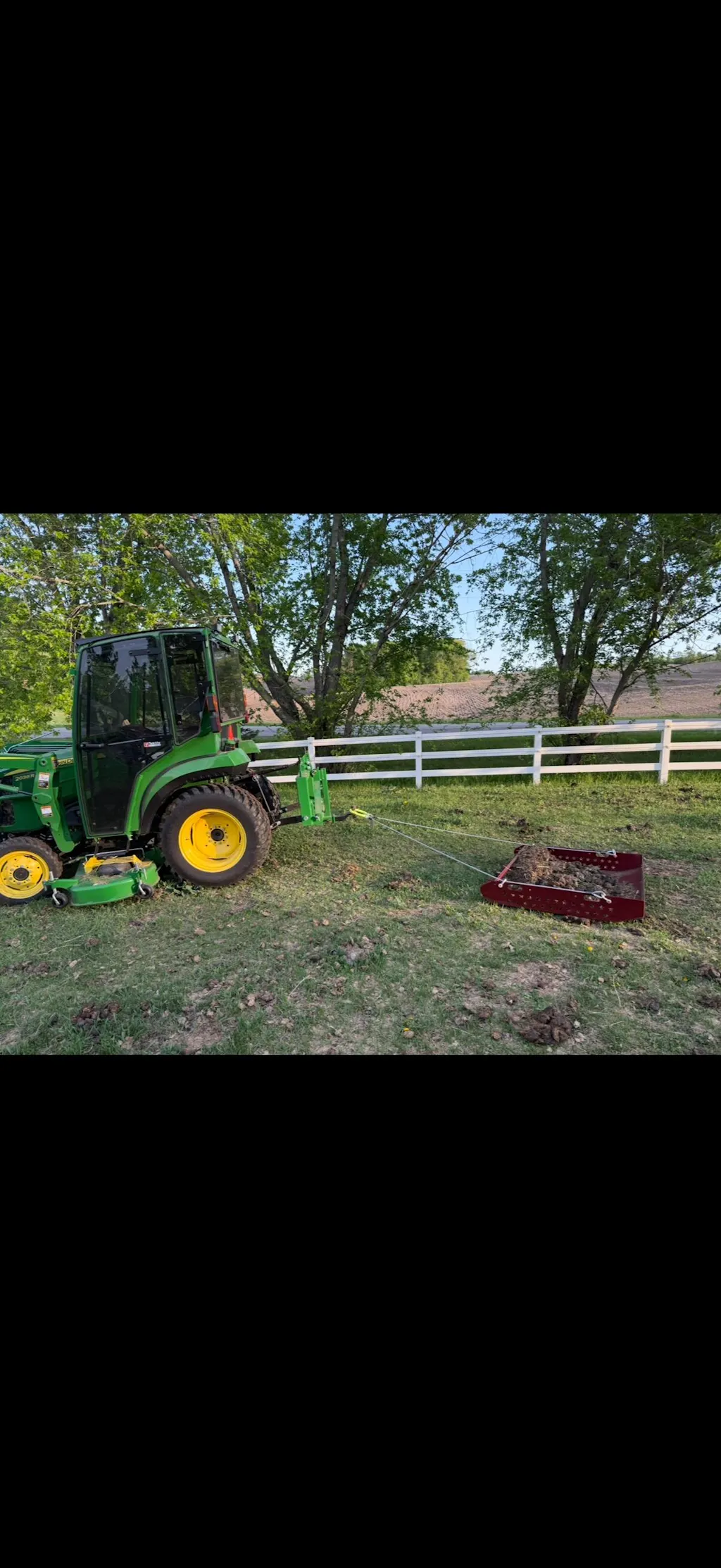
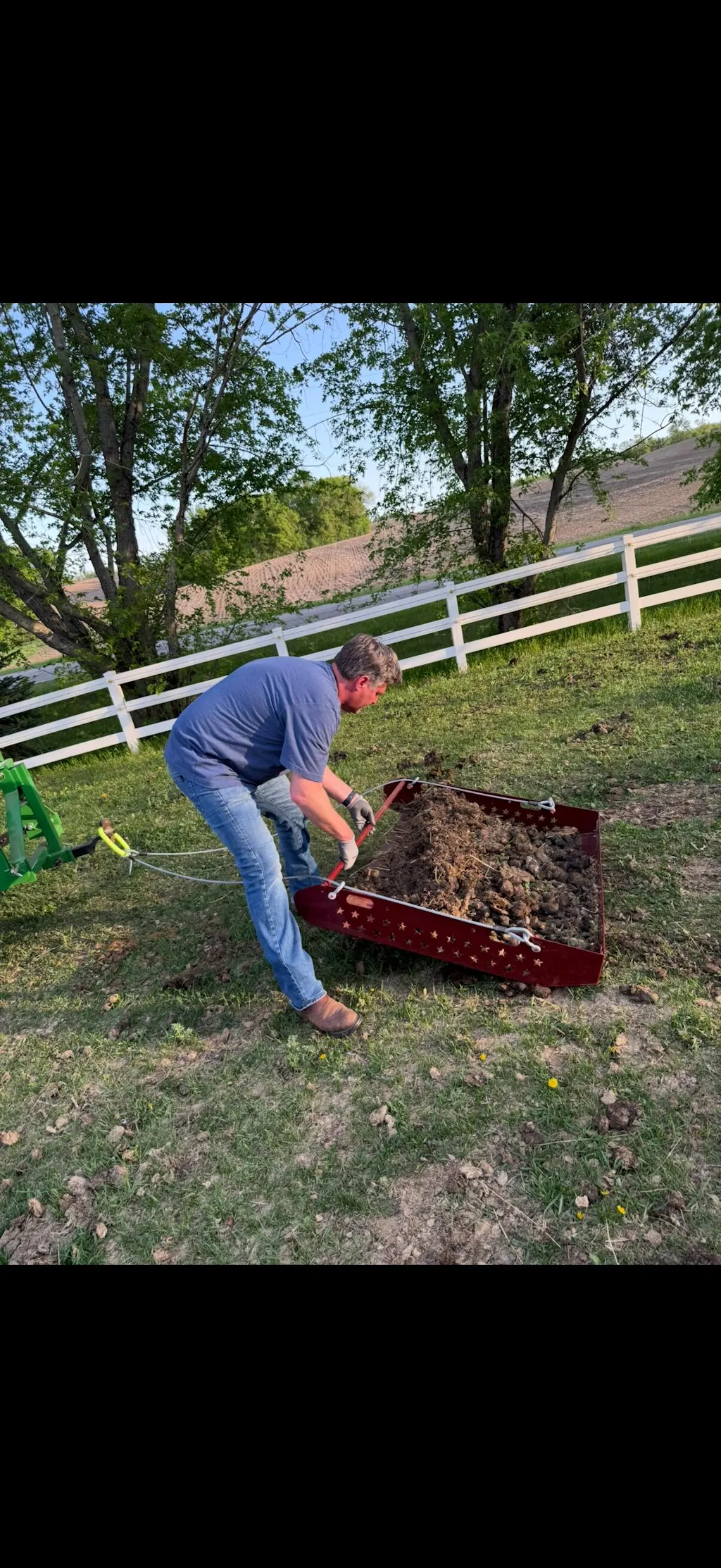
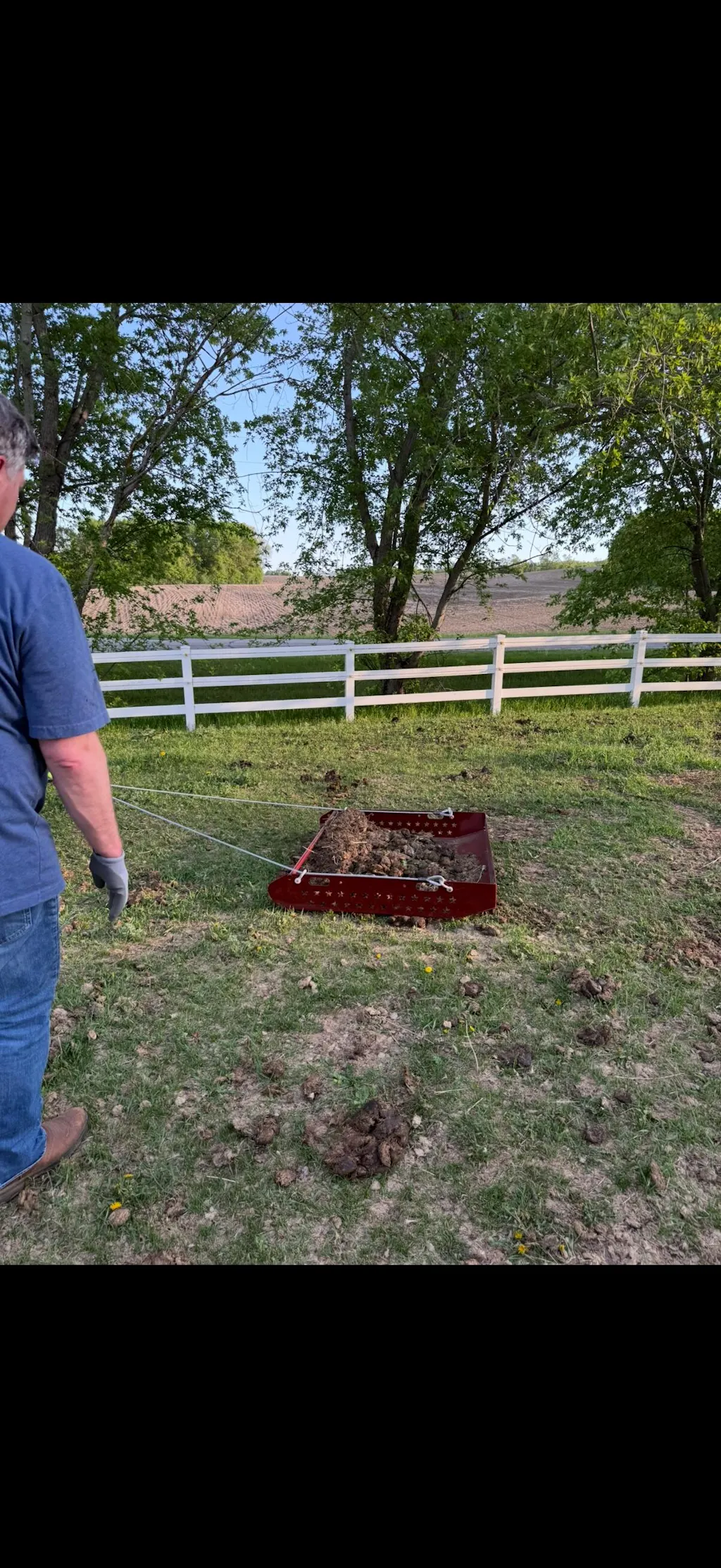
The Paddock Blade helps simplify manure removal while reducing the manual labor involved in maintaining cleaner paddocks throughout the hottest months of the year.
Consistent pasture maintenance becomes far easier when manure buildup is managed proactively rather than allowed to accumulate.
5. Cool Horses Properly After Exercise
Proper cooling after riding is critical during summer.
Many horses continue holding excess body heat long after exercise ends — particularly in humid conditions.
After riding:
- Hose horses thoroughly with cool water
- Focus on large muscle groups
- Continue cooling until breathing normalizes
- Walk horses during recovery
- Avoid immediately returning horses to hot stalls
There is still a common myth that cold water should not be used aggressively on hot horses. However, modern equine cooling recommendations support rapid cooling with cold water as one of the safest and most effective methods for reducing body temperature.
Don’t Forget About Recovery!
Recovery is just as important as exercise itself during summer.
It's important to monitor your horses:
- Respiratory rate
- Sweating
- Hydration
- Energy levels
Older horses, overweight horses, and horses with metabolic conditions often struggle more during periods of extreme heat.
Bonus Tip: Maintain Healthier Summer Pastures
Summer pasture management plays a larger role in horse comfort than many owners realize.
Dry conditions, overgrazing, and manure buildup can all contribute to:
- Poor grazing quality
- Increased flies
- Dusty turnout conditions
- Uneven pasture growth
Areas around gates, water troughs, feeding stations, and shelters often deteriorate fastest during summer.
Consistent pasture maintenance helps:
- Improve grazing conditions
- Reduce mud and rough patches
- Maintain healthier grass growth
- Create cleaner turnout environments overall
Cleaner paddocks ultimately help horses stay more comfortable during hotter weather.
Conclusion
Summer can be one of the best seasons for horse owners — but it also requires careful management to keep horses healthy and safe during extreme heat.
By focusing on:
- Hydration
- Shade
- Ventilation
- Smart exercise timing
- Fly control
- Pasture maintenance
horse owners can dramatically reduce summer-related stress and help horses stay more comfortable throughout the season.
Small proactive changes often make the biggest difference.
And when it comes to maintaining cleaner, healthier paddocks during summer, consistent manure removal and efficient pasture management remain some of the simplest ways to improve overall horse comfort long-term.
FAQs
1. How do I keep my horse cool in summer?
Provide fresh water, shade, airflow, adjusted riding schedules, and consistent cooling after exercise.
2. How much water should horses drink in hot weather?
Horses may drink 10–20 gallons of water per day depending on weather and workload.
3. What are signs of heat stress in horses?
Rapid breathing, lethargy, excessive sweating, weakness, and slow recovery after exercise are common warning signs.
4. Why are flies worse during summer?
Warm temperatures and manure buildup create ideal breeding conditions for flies.
5. How does manure removal help during hot weather?
Regular manure removal helps reduce flies, improve pasture hygiene, and encourage healthier grazing conditions.
TL;DR
Hot summer weather can increase dehydration, heat stress, and fly problems for horses across the U.S. Providing shade, fresh water, smart turnout schedules, proper cooling, and cleaner paddocks helps horses stay healthier and more comfortable during extreme heat. Consistent manure removal and pasture maintenance also play a major role in reducing flies and improving summer turnout conditions.