Key Takeaways
- Summer pasture problems are usually caused by what happens in late spring, not summer itself
- Overgrown grass reduces grazing quality and leads to uneven pasture use
- Manure buildup directly increases parasite pressure and wastes grazing space
- Horses naturally avoid contaminated areas, creating rough, unmanaged patches
- Proactive pasture management improves grazing efficiency, horse health, and long-term field condition
- Consistent manure removal is one of the most effective ways to reduce parasites and maintain pasture quality
Introduction
As summer approaches, many horse owners expect their pastures to be at their peak. Fields are green, growth is strong, and grazing appears plentiful. However, this is often when pasture quality begins to decline. What looks like abundance can quickly turn into imbalance, with overgrown grass, increasing parasite loads, and uneven grazing patterns becoming more noticeable.
Summer pasture issues rarely appear out of nowhere. They are typically the result of how the land was managed during late spring. Rapid grass growth, combined with warming temperatures and increased moisture in many regions, creates conditions that require active management. Without it, paddocks can become less productive and more challenging to maintain as the season progresses.
Understanding how to prepare your pasture before summer fully arrives allows you to stay ahead of these issues rather than reacting to them later.

Why Overgrowth Becomes a Problem in Early Summer
One of the most common misconceptions is that more grass automatically means better grazing. In reality, when grass grows too quickly and is not managed effectively, it can become less useful for horses. As grass matures, it becomes more fibrous and less palatable. Horses will instinctively seek out shorter, fresher growth and avoid longer areas.
This selective grazing leads to uneven pasture use. Some areas become heavily grazed while others are left untouched, forming rough patches that continue to grow unchecked. These roughs reduce the overall grazing area and create an imbalance across the field. Over time, this results in wasted pasture and declining grazing efficiency.
Managing grass height before summer helps maintain a more consistent grazing pattern. It ensures that the pasture remains both nutritious and accessible, rather than becoming overgrown and underutilized.
The Impact of Manure on Grazing Quality
Manure plays a significant role in how a pasture functions, particularly during the transition into summer. When manure is left in the field, it creates areas that horses will avoid. This behavior contributes directly to uneven grazing patterns and the formation of rough patches.
In addition to affecting grazing, manure influences soil health and nutrient distribution. Nutrients become concentrated in certain areas rather than spread evenly across the pasture. This imbalance can contribute to poor grass growth in some areas and excessive growth in others.
As temperatures rise, manure also becomes a key factor in parasite development. Eggs deposited in manure can hatch and develop into larvae, which then migrate onto surrounding grass. Horses ingest these larvae while grazing, increasing their parasite burden.
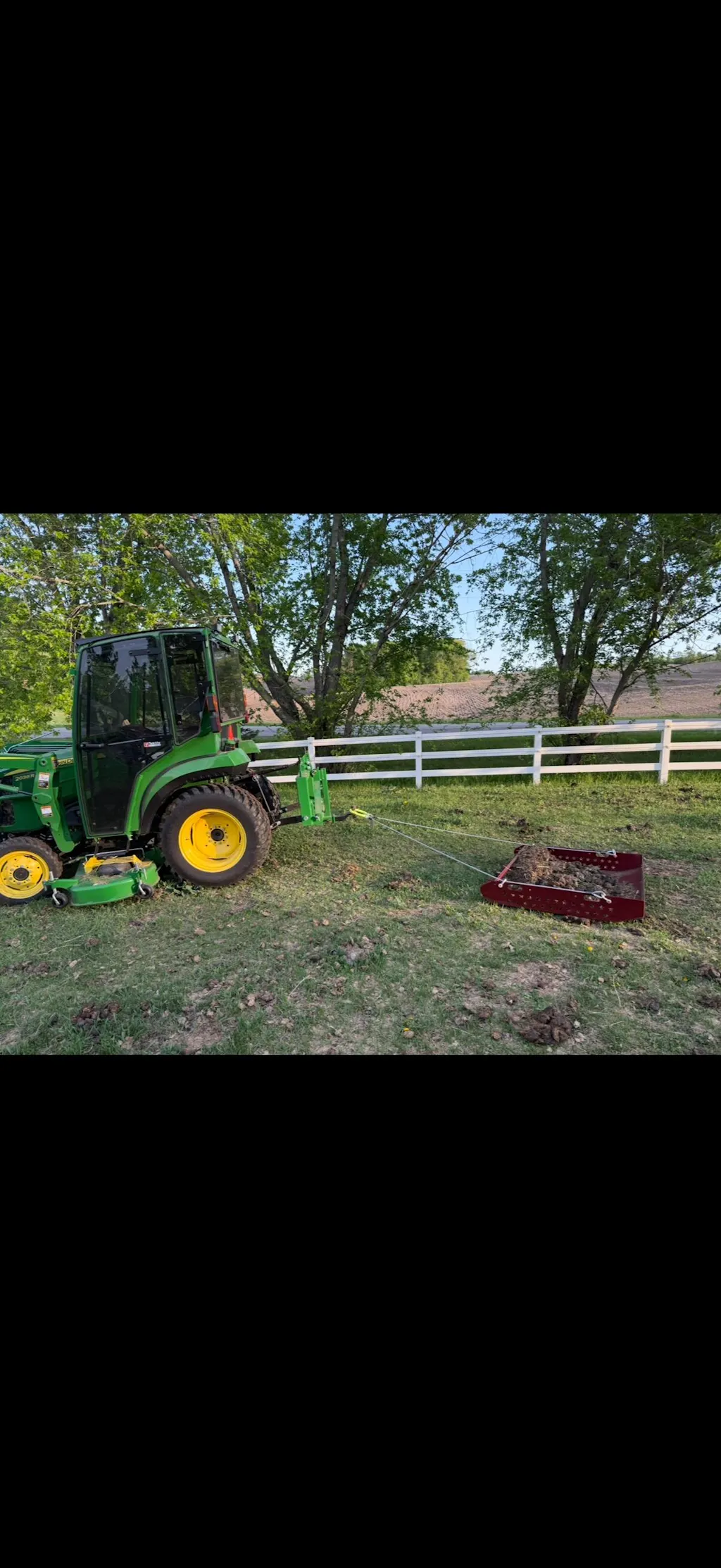
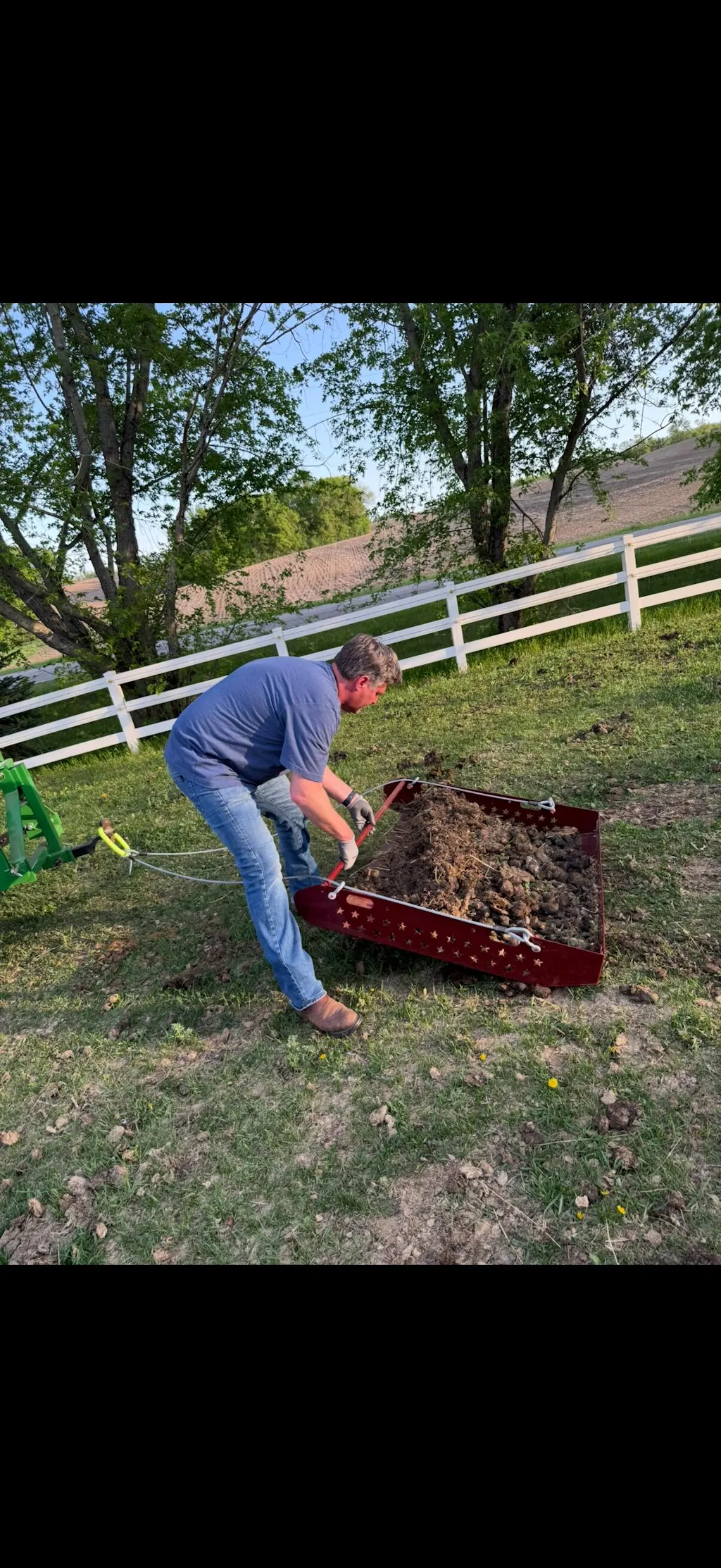
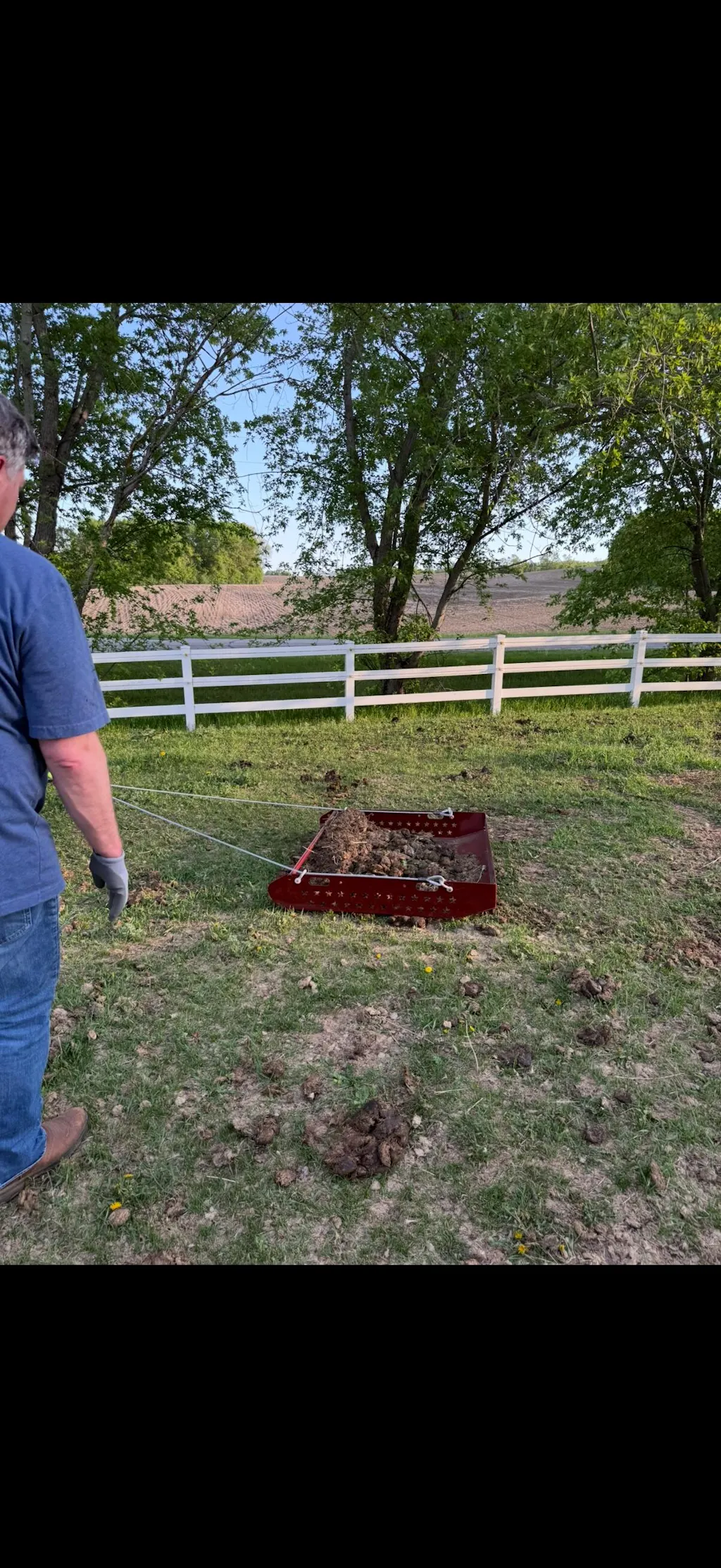
Consistent manure removal helps maintain a cleaner, more balanced pasture. It encourages even grazing and reduces the environmental conditions that allow parasites to thrive.
Understanding Parasite Pressure in Summer
Summer conditions often accelerate parasite activity. Warm temperatures and adequate moisture create an environment where parasite eggs develop more rapidly. This increases the risk of reinfection, particularly in paddocks where manure is not regularly removed.
Parasite pressure is closely linked to pasture management. Fields with uneven grazing and manure buildup tend to have higher levels of contamination. Horses grazing in concentrated areas are more likely to ingest larvae, especially when clean grazing space is limited.
Effective parasite control involves more than just treatment. It requires managing the environment in which parasites develop. By reducing contamination in the pasture, you lower the overall challenge your horses face during the grazing season.
How Overgrowth and Manure Lead to Weed Problems
Weeds are often a secondary issue that develops when pasture management becomes unbalanced. As grazing patterns become uneven and certain areas are left untouched, weeds are given the ideal opportunity to establish themselves. These plants thrive in conditions where healthy grass is not competing effectively, and once they take hold, they can quickly spread across the paddock.
Common signs that weeds are becoming a problem include:
-
Areas of long, ungrazed grass where weeds begin to dominate
-
Increased presence of species like dock, thistle, or ragwort
-
Horses avoiding sections of the paddock entirely
-
A noticeable decline in overall pasture quality
As weeds spread, they further reduce the usability of the field. Some are unpalatable, meaning horses will not graze them, while others can pose potential health risks if consumed. Their presence is often a clear indicator that the paddock is no longer being managed evenly.
Addressing the root cause is far more effective than simply removing weeds as they appear. By maintaining consistent grazing patterns and reducing manure buildup, you create an environment where strong, healthy grass can outcompete unwanted plants and help restore balance to the pasture.
Practical Steps to Prepare Your Pasture for Summer
Preparing your pasture for summer requires a proactive approach. Rather than reacting to problems once they appear, the focus should be on creating the right conditions early so your paddock remains balanced, productive, and easy to manage as the season progresses.
Key steps to take include:
-
Remove manure consistently
Regular manure removal is one of the most effective ways to reduce parasite contamination and improve grazing patterns. It encourages horses to use the paddock more evenly and supports overall pasture health.
-
Manage grass height
Prevent grass from becoming overly long and fibrous. Keeping it at a manageable height helps maintain nutritional value, improves palatability, and reduces the formation of rough, ungrazed areas.
-
Monitor grazing patterns
Pay attention to how your horses are using the field. Identify areas that are being overgrazed or avoided and take action early to correct imbalances before they worsen.
-
Control stocking density
Avoid overcrowding your pasture. Too many horses in one area can quickly lead to deterioration, especially during periods of rapid growth. Ensuring appropriate stocking levels helps maintain pasture condition.
-
Stay ahead of problem areas
Address rough patches, manure buildup, and uneven growth as soon as they appear. Early intervention is far easier than trying to fix widespread issues later in the season.
By implementing these steps before summer fully sets in, you create a more stable and productive grazing environment that supports both pasture quality and horse health.
Why Green Doesn’t Always Mean Healthy
A pasture can appear lush and green while still being in poor condition. Visual growth does not always reflect grazing quality or overall health. In fact, some of the most problematic paddocks are those that look abundant but are not being used effectively by horses.
Healthy pasture is characterized by even grazing, consistent growth, and minimal contamination. When horses are able to use the entire field, the pasture functions as intended. When areas are avoided or overgrown, the system becomes imbalanced.
Recognizing the difference between appearance and functionality is essential for effective pasture management. It allows you to focus on the factors that truly impact grazing quality and horse health.

Conclusion
Summer pasture challenges are largely preventable with the right preparation. Overgrowth, manure buildup, and increasing parasite pressure are all interconnected issues that develop when pasture management is not consistent.
By taking action in late spring and early summer, you can maintain a more balanced and productive grazing environment. Managing grass height, removing manure regularly, and monitoring grazing patterns all contribute to healthier pastures and healthier horses.
The key is to stay proactive. Addressing these factors early reduces the need for more intensive interventions later and helps ensure that your pasture remains an asset rather than a challenge throughout the summer months.
FAQs
1. What causes uneven grazing in horse pastures?
Horses naturally avoid grazing near manure, which leads to some areas being overgrazed while others become overgrown and unused.
2. How often should manure be removed in summer?
Manure should ideally be removed several times per week to minimize parasite buildup and maintain even grazing conditions.
3. Is overgrown grass harmful to horses?
Overgrown grass is less palatable and lower in nutritional value, which can reduce grazing efficiency and lead to uneven pasture use.
4. Why do parasites increase in summer?
Warmer temperatures and moisture create ideal conditions for parasite eggs to develop and spread on pasture.
5. Can pasture issues be corrected later in summer?
While it is possible, it is much more effective to prevent issues through early management before they become established.
TLDR
Summer pasture problems start before summer. Overgrown grass, manure buildup, and rising parasite pressure reduce grazing quality and pasture efficiency. Managing grass height, removing manure regularly, and maintaining balanced grazing patterns early helps keep your pasture healthy, productive, and easier to manage throughout the season.