Key Takeaways
- Horse manure typically has a pH between 6.5 and 7.5, making it close to neutral.
- Fresh manure can be too strong for plants and should be composted before use.
- Properly composted manure improves soil structure, nutrient content, and microbial activity.
- Manure management plays a major role in reducing parasites, odor, and environmental impact.
- Well-maintained paddocks make manure collection easier and safer for reuse.
Why Gardeners Care About Horse Manure pH
If you’ve ever looked at a pile of horse manure and thought, “Could this actually help my garden?” well the answer is yes… with a few caveats.
Horse manure is one of the most accessible organic fertilizers in the US. But understanding its pH level is key to using it safely and effectively.
Why does pH matter?
Because soil pH affects:
- Nutrient availability
- Plant growth
- Microbial activity
Using manure with the wrong pH or applying it incorrectly can do more harm than good.
What Is the pH of Horse Manure?
Is Horse Manure Acidic or Alkaline?
Horse manure is typically:
Neutral to slightly alkaline (pH 6.5–7.5)
This makes it ideal for most garden soils, which generally perform best in a pH range of 6.0–7.0.
What Affects the pH of Horse Manure?
Several factors influence manure pH:
- Diet (hay vs grain-heavy diets)
- Bedding material (straw, shavings, sawdust)
- Moisture content
- Composting stage
Fresh manure may vary slightly, but composting stabilizes pH over time.

Can You Use Fresh Horse Manure in a Garden?
Why Fresh Manure Can Be Risky
Fresh horse manure may seem like a quick fertilizer but, it comes with risks:
- High ammonia levels can burn plants
- May contain weed seeds
- Can harbor pathogens or parasites
According to the USDA Natural Resources Conservation Service (NRCS), raw manure should be composted before use to reduce pathogens and improve nutrient stability.
Why Composting Matters
Composting horse manure:
- Stabilizes pH
- Kills weed seeds
- Reduces harmful bacteria
- Improves nutrient availability
Proper composting transforms manure from waste into a valuable soil amendment.
How to Compost Horse Manure Properly
Basic Composting Steps
- Create a manure pile (mix manure + bedding)
- Maintain moisture (like a damp sponge)
- Turn regularly for aeration
- Allow time (2–6 months)
Ideal Compost Conditions
- Temperature: 130–150°F (54–65°C)
- Proper airflow
- Balanced carbon-to-nitrogen ratio
These conditions help break down organic material safely.
How to Compost Horse Manure Properly
Basic Composting Steps
- Create a manure pile (mix manure + bedding)
- Maintain moisture (like a damp sponge)
- Turn regularly for aeration
- Allow time (2–6 months)
Ideal Compost Conditions
- Temperature: 130–150°F (54–65°C)
- Proper airflow
- Balanced carbon-to-nitrogen ratio
These conditions help break down organic material safely.

How Horse Manure Benefits Soil
What Nutrients Does Horse Manure Provide?
Horse manure contains:
- Nitrogen (N)
- Phosphorus (P)
- Potassium (K)
These are essential for plant growth.
Soil Benefits of Composted Manure
- Improves soil structure
- Increases water retention
- Boosts microbial life
- Enhances nutrient cycling
Because of its near-neutral pH, it works well for most plants without drastically altering soil chemistry.
Best Practices for Using Horse Manure in Gardens
How to Apply Horse Manure Safely
- Use only fully composted manure
- Apply in fall or early spring
- Mix into soil before planting
- Avoid direct contact with edible plant parts
How Much Should You Use?
A general guideline:
- 1–2 inches of compost spread over garden soil
- Mix into the top 4–6 inches
Why Manure Management Matters for Horse Owners
Gardeners benefit from horse manure but only if it’s handled properly.
Problems With Poor Manure Management
- Increased parasites
- Odor buildup
- Runoff pollution
- Fly infestations
Benefits of Regular Manure Removal
- Cleaner paddocks
- Healthier horses
- Easier composting
- Reduced environmental impact
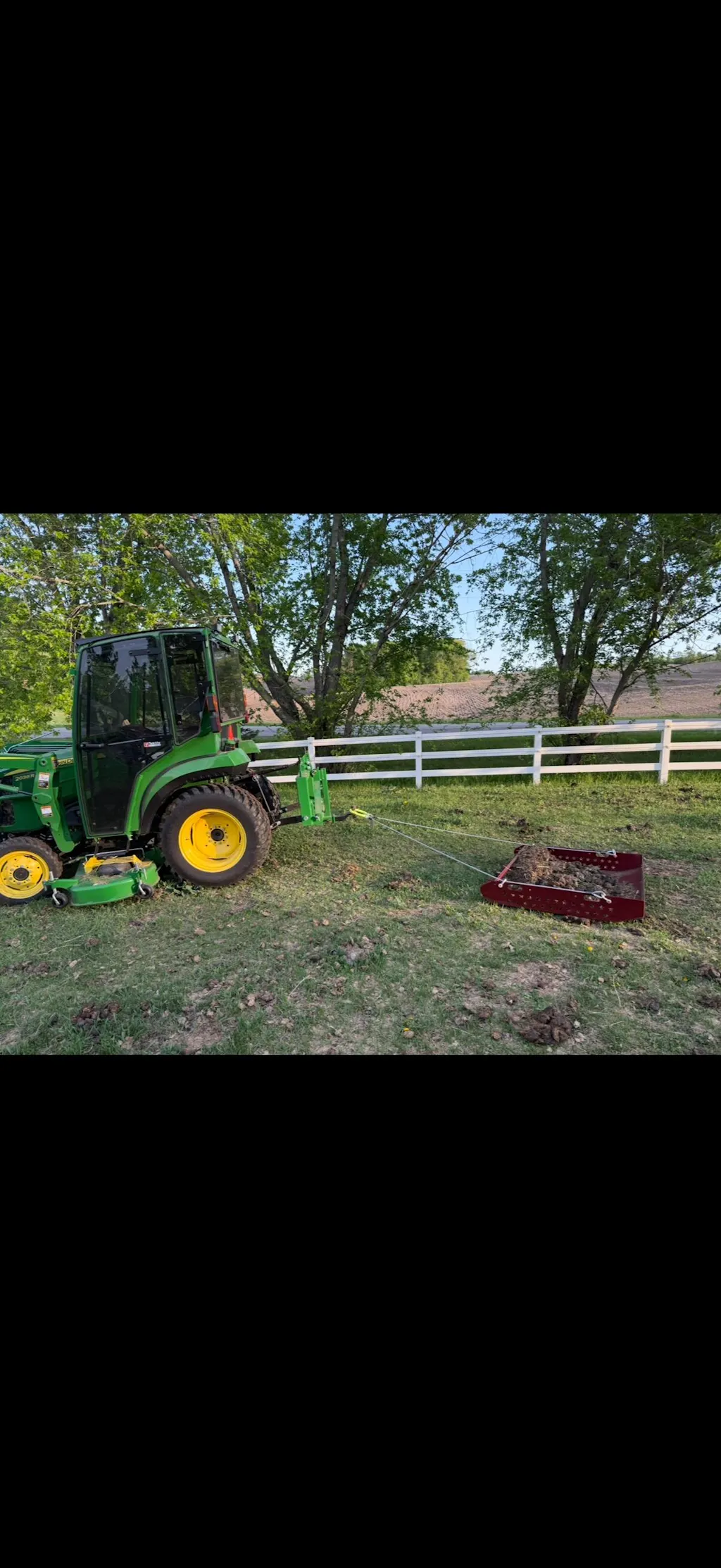
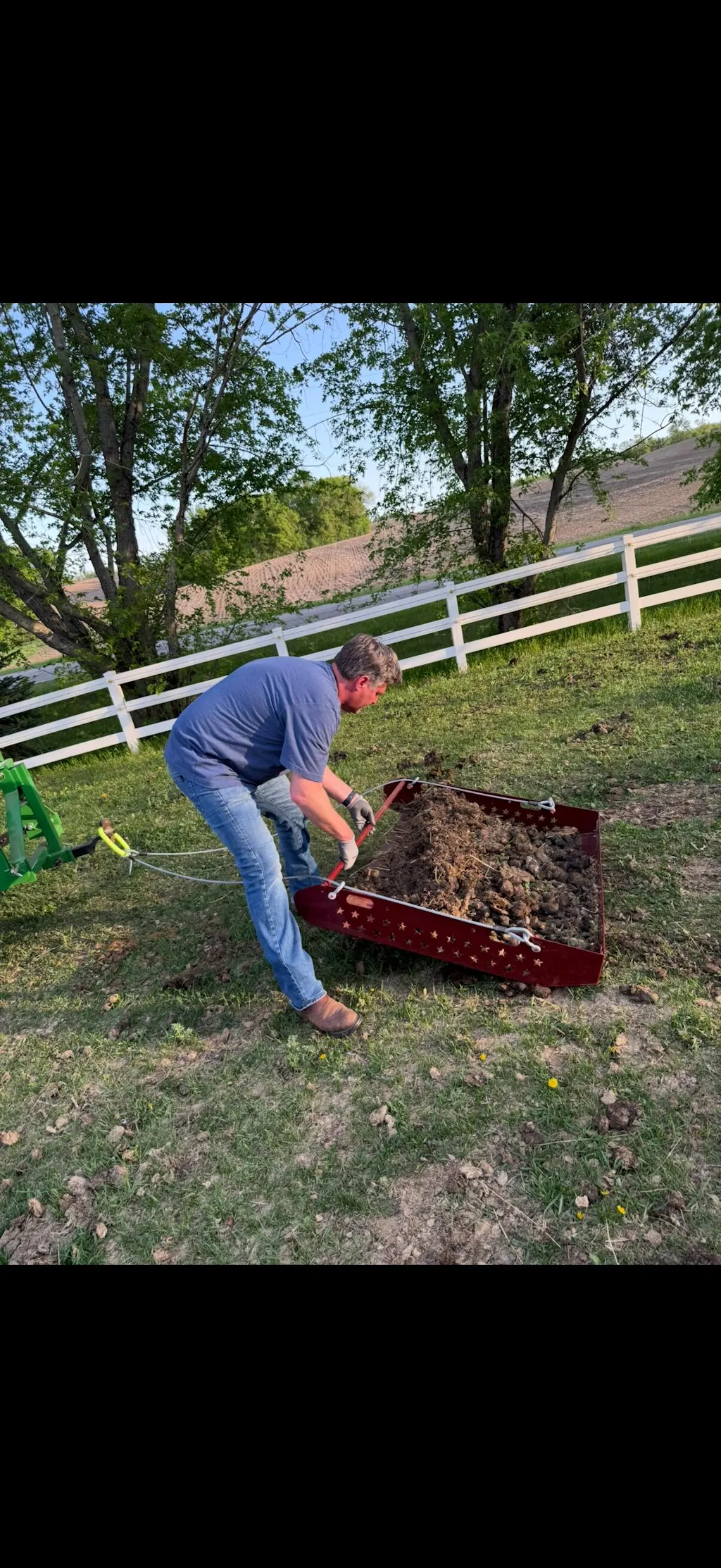
Keeping paddocks clean makes it easier to collect manure for composting and reuse.
Tools designed for manure collection can make this process faster and more consistent, especially for larger properties.

Horse Manure for Different Garden Types
Vegetable Gardens
- Use only well-composted manure
- Apply before planting season
Flower Beds
- Excellent for improving soil structure
- Safe for most ornamentals
Lawns
- Can be used sparingly as a natural fertilizer
Common Mistakes to Avoid
- Using fresh manure directly on plants
- Not composting long enough
- Overapplying manure
- Ignoring drainage and runoff issues
Horse Manure Gardening Checklist
✔ Compost manure before use
✔ Monitor compost temperature
✔ Apply at the right time of year
✔ Mix into soil properly
✔ Maintain clean paddocks
✔ Store manure safely
Turn Waste Into a Resource
Horse manure doesn’t have to be a problem but instead it can be one of your most valuable resources.
Consistent manure management makes composting easier, cleaner, and more effective.
- Simplify manure collection
- Improve paddock cleanliness
- Make composting more efficient
FAQs:
1. What is the pH of horse manure?
Horse manure typically has a pH between 6.5 and 7.5, making it neutral to slightly alkaline.
2. Is horse manure good for gardens?
Yes, when composted properly, it improves soil structure and provides essential nutrients.
3. Can fresh horse manure burn plants?
Yes. Fresh manure contains ammonia and should always be composted before use.
4. How long should horse manure compost?
Typically 2–6 months, depending on conditions like temperature and moisture.
5. Does horse manure change soil pH?
Not significantly. Its near-neutral pH makes it safe for most soils.
6. Can horse manure contain weeds or parasites?
Yes, if not composted properly. Composting helps eliminate these risks.
TL;DR:
Horse manure is generally neutral to slightly alkaline, making it ideal for improving garden soil when composted properly. Fresh manure should always be aged or composted before applying to plants.