Key Takeaways
- Regular manure removal is essential for maintaining healthy, productive pastures
- Leaving manure in fields increases parasite load and reduces grass quality
- The Paddock Blade makes large-scale paddock cleaning faster, easier, and more consistent
- Spring is the most important time to establish good pasture management habits
- Using your Paddock Blade correctly can improve efficiency and extend its value beyond manure removal
Introduction
As winter fades and spring takes hold across the US, horse owners are faced with a familiar challenge, managing rapidly growing pasture while keeping it clean, safe, and productive.
Warmer temperatures and increased rainfall create ideal conditions not only for grass growth but also for parasites and bacteria to thrive. What might seem like a healthy, green field can quickly become compromised if manure is left unmanaged. This is something we want to avoid at all costs. So what is the answer?
This is where consistent paddock maintenance becomes critical and where the Paddock Blade comes into its own.
Designed to simplify one of the most time-consuming tasks in horse care, the Paddock Blade allows you to maintain cleaner paddocks with less effort and less time! But beyond convenience, its real value lies in how it supports better pasture health, reduces parasite risk, and improves overall horse wellbeing.
In this guide, we're going to break down why manure removal matters, how the Paddock Blade improves pasture conditions, and how to get the most out of it as you head into the summer months. Let's dive in!

Why Manure Removal Is Critical for Pasture Health
Manure management is one of the most overlooked aspects of horse ownership, yet it has a direct impact on both pasture quality and horse health. If you're not familiar with why manure removal is so critical for your horse and pasture's health, this guide is for you.
When manure is left in the field, it creates concentrated areas of waste that horses instinctively avoid. Over time, this leads to uneven grazing patterns, this basically means lush grass in some areas and overgrazed patches in others.
More importantly than patchy grass, manure serves as a breeding ground for parasites.
Key problems caused by poor manure management:
- Increased parasite larvae on pasture
- Reduced usable grazing area
- Nutrient imbalance in soil
- Faster spread of weeds
- Greater risk of reinfection in horses
Parasite eggs passed in manure develop into larvae that migrate onto surrounding grass. When horses graze nearby, they ingest these larvae, continuing the cycle. Regular removal helps to break this cycle and stop the development of parasites in your paddocks, causing detriment to your horse.s
By keeping your paddocks clean, you:
- Reduce parasite exposure
- Encourage more even grazing
- Improve grass regrowth
- Maintain a healthier environment overall
This becomes especially important in spring, when parasite activity begins to rise.
How the Paddock Blade Helps Improve Your Pasture
The Paddock Blade isn’t just about saving time, it fundamentally changes how effectively you can manage your land.
Traditional methods like manual picking are labor-intensive and often inconsistent, especially across larger paddocks. As a result, manure is frequently left behind, allowing problems to build over time.
The Paddock Blade solves this by making paddock cleaning:
- Faster
- More consistent
- Less physically demanding
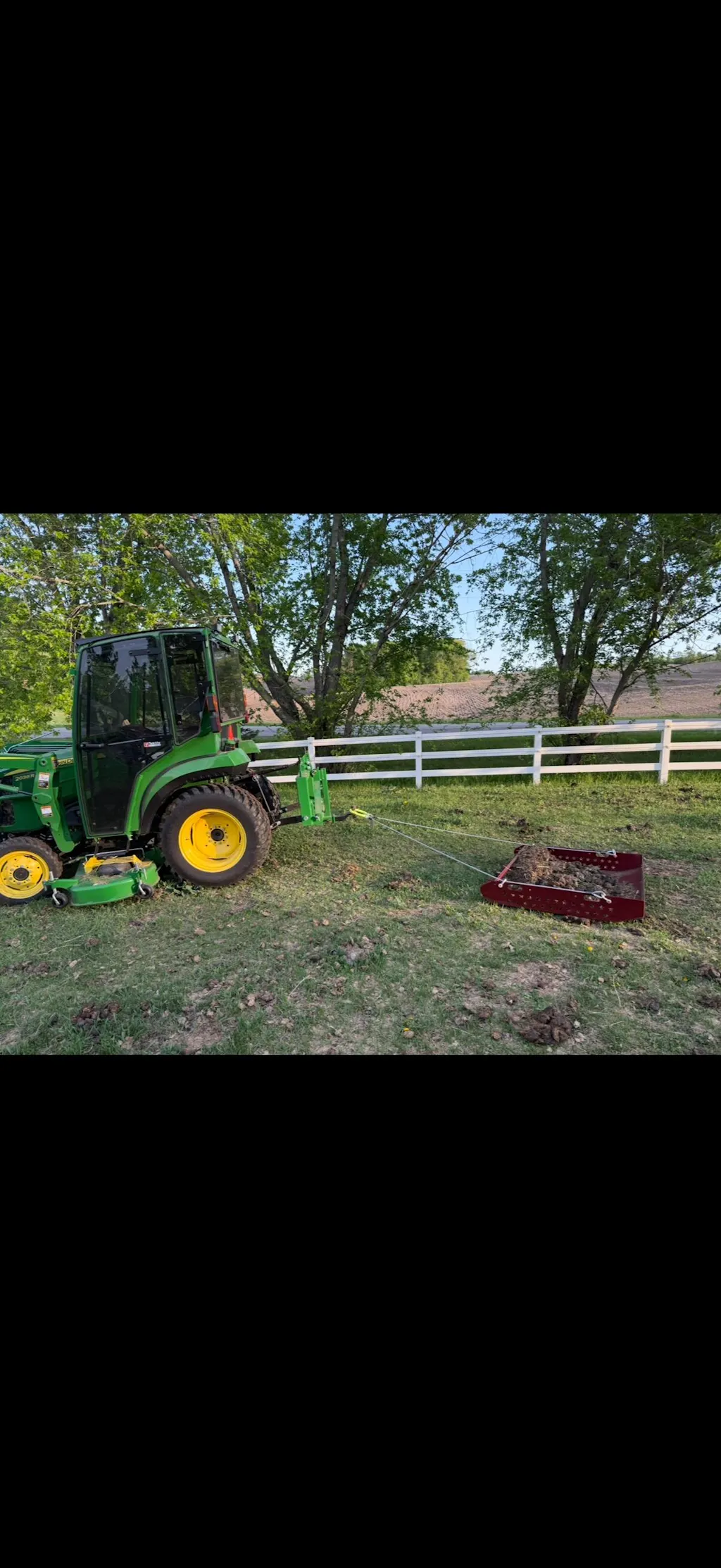
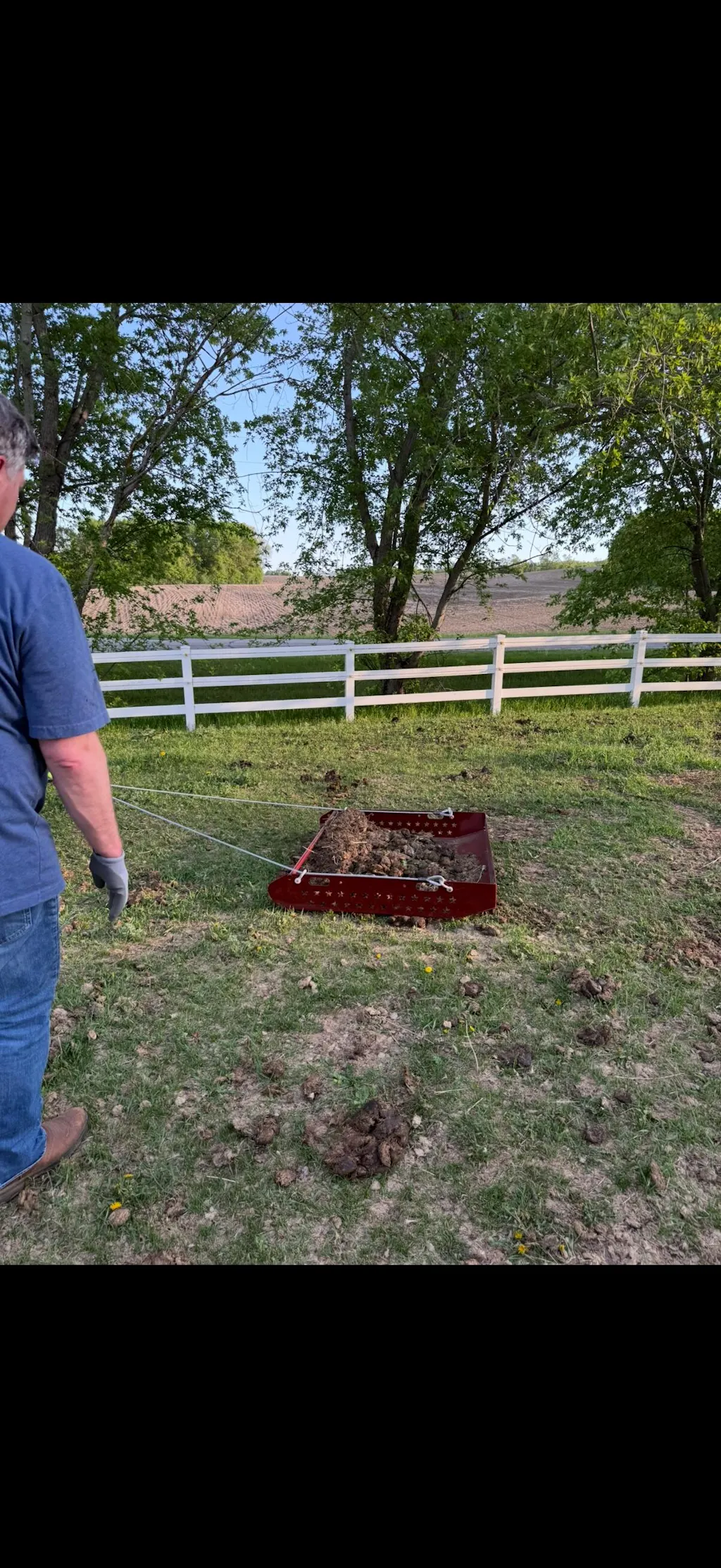
Because the Paddock Blade can be towed behind a vehicle, it allows you to cover large areas quickly, ensuring no sections are missed. You can clear an acre in just 10 minutes, keeping you feeling accomplished and on top of your paddock maintenance!
Benefits for pasture health:
- More thorough manure removal across the entire field
- Reduced parasite contamination
- Improved grass utilization
- Better overall paddock appearance and usability
Consistency is key here! The easier a job is to do, the more likely it is to get done regularly. That’s where the real advantage lies—turning a task that’s often skipped into a routine part of your management. Paddock Blade makes manure removal easy and fun, all the family will want to be involved.
Why Spring Is the Best Time to Use Your Paddock Blade
Spring sets the tone for your entire grazing season. As temperatures rise grass growth begins to accelerate, horses spend more time grazing and pesky parasite activity increases.
If manure is left to accumulate during this period, it can quickly lead to long-term issues that carry into summer (and all year round). Using your Paddock Blade regularly in spring will help you:
- Start the season with clean paddocks
- Reduce parasite buildup early
- Promote more even grazing patterns
- Maintain healthier grass growth
Think of it this as preventative management rather than reactive. Get ahead and stay on top of your manure management now to reduce the workload and the potential risk, especially ahead of the warmer months.
How to Empty Your Paddock Blade Efficiently
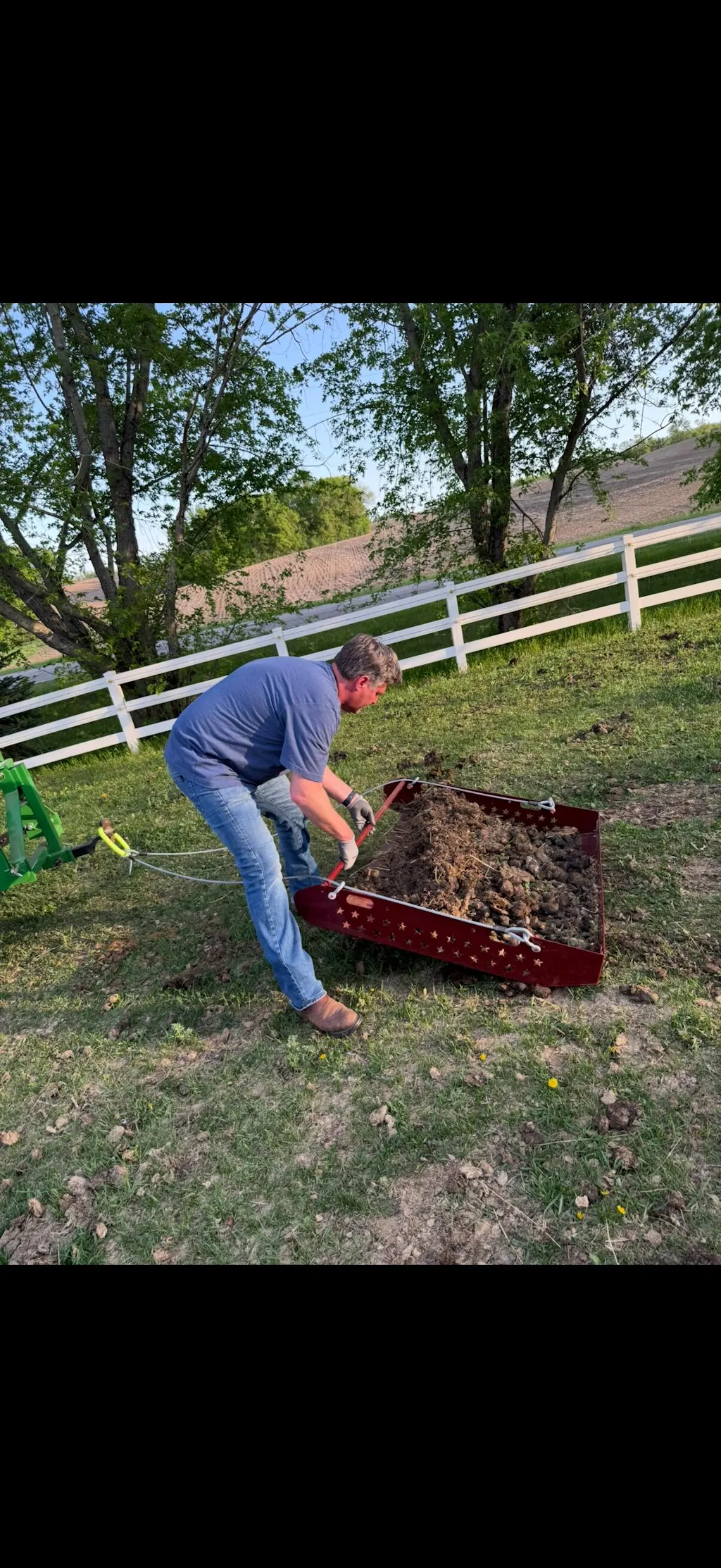
We're often asked the question - 'but how do you empty it?!' A valid question and the answer is simple. The Paddock Blade has been designed with handles around the back and sides of the blade to assist you in lifting, tipping and dumping out the contents.
We recommend bending your knees when leaning down to lift to avoid straining your back. An alternative to tipping is using a rake or broom to sweep the contents out.
Tips for efficient emptying:
- Choose a designated dumping area close to your paddocks
- Avoid overfilling, which can make emptying more difficult
- Empty regularly during use rather than waiting until full
- Use flat, accessible ground for unloading
Having a clear system in place, such as a compost area or manure heap, helps to streamline the process.

Check out this video here to see how to lift and empty using the handles.
Getting the Most Out of Your Paddock Blade
Most owners use the Paddock Blade for manure removal, but its usefulness doesn’t stop just there. Want to know how the Paddock Blade can make processes around your paddocks more efficient and beneficial?
With the right approach, your Paddock Blade can support a range of paddock maintenance tasks. Including:
- Clearing debris from fields
- Maintaining turnout areas
- Haul heavy items (up to 1000lbs) like hay bales
- Flatten sandy areas or level fields
You can get creative with how the Paddock Blade can benefit you and maximise your time saved on mundane chores.
Tips for better results:
- Use regularly (weekly or bi-weekly during peak seasons)
- Adjust speed depending on terrain
- Work in a consistent pattern to avoid missed areas
- Avoid overly wet conditions where possible
The more consistently you use it, the greater the long-term benefit to your pasture.

Common Mistakes to Avoid
Even with the right equipment, there are a few common mistakes that can limit effectiveness. So what are they and what should you be looking to avoid?
- Leaving too much time between cleanings
- Working in extremely wet or muddy conditions
- Overloading the Paddock Blade
- Ignoring high-traffic areas
Consistency and timing are just as important as the tool itself.
How Cleaner Paddocks Improve Horse Health
Did you know that the impact of good paddock management goes beyond the field? It directly affects your horses and their health.
Cleaner paddocks mean:
- Lower parasite exposure
- Reduced risk of reinfection
- Better grazing quality
- Healthier weight management
Over time, this can also reduce reliance on interventions like deworming, aligning with modern, targeted parasite control strategies. This simple shift delivers long-term benefits for both your horses and your pastures. Staying on top of paddock maintenance will allow them both to thrive, no matter what the season throws at you.
Conclusion
Now you know that Spring is a critical window for pasture management, and the decisions you make now will shape the health of your paddocks—and your horses—throughout the grazing season.
Regular manure removal is one of the most effective ways to improve pasture quality, reduce parasite risk, and create a more balanced grazing environment. The Paddock Blade is designed to make this process faster, easier, and more consistent for you, turning a time-consuming, mundane task into a manageable routine that you can have fun doing!
By using it regularly and strategically, you’re not just cleaning your paddocks, you’re investing in healthier land, healthier horses, and a more efficient way of managing your setup. That sounds great to us!
Frequently Asked Questions
1. How often should I use a Paddock Blade?
During spring and summer, weekly or bi-weekly use is ideal to maintain clean paddocks.
2. Can the Paddock Blade be used on uneven ground?
Yes, it is designed to handle a variety of terrain, including rough and uneven paddocks.
3. Does manure removal really reduce parasites?
Yes, removing manure interrupts the parasite lifecycle and reduces reinfection risk.
4. What’s the best time of year to start using it?
Spring is the most important time, as parasite activity begins to increase.
5. Can I use it in wet conditions?
Light moisture is fine, but very wet or muddy ground can reduce effectiveness.
TL;DR
Using a Paddock Blade in spring helps you maintain cleaner paddocks, reduce parasite risk, and improve pasture health. Regular manure removal supports better grazing, healthier horses, and more efficient land management—making it one of the most valuable tools for horse owners heading into summer.